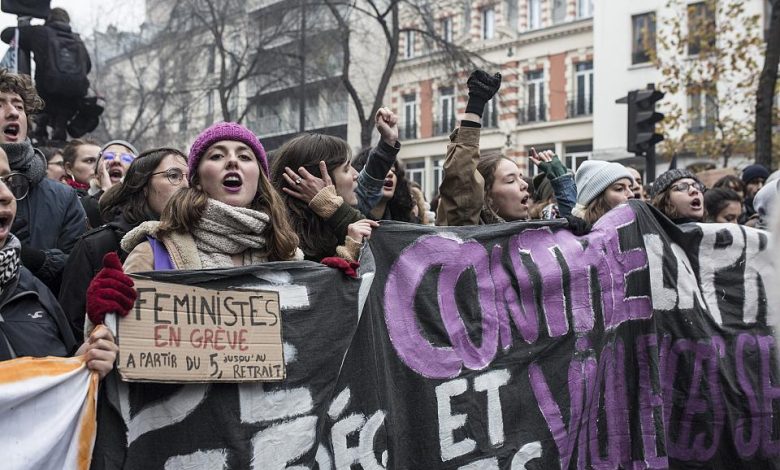
The Impact of Feminism on Female Spaces
Since the 1970s, feminism has sought to break down barriers between the sexes in various domains: business, sports, politics, culture, and more. This quest for equality has often led to the elimination of exclusively male spaces. However, with the rise of transgender rights, female spaces are now under pressure. Men, now identifying as women, are integrating into these spaces, creating a new dynamic that some radical feminists find hard to accept.
The Feminist and Transgender Conflict
Some feminists oppose this new invasion of their spaces. They do not want to see individuals like “Robert,” who at 56 decides to become a woman while retaining masculine features like a beard, invading female locker rooms. This phenomenon pushes some radical feminists to seek allies even among conservatives to defend their exclusive spaces.
Mixed Spaces: Blessing or Curse?
Mixed spaces, once touted as a magical solution for equality, are now being questioned. Examples abound:
- The Boy Scouts of America, which had to change its name and accept girls under feminist pressure, at the expense of their historical identity.
- Studies show that mixed units in the military and workplaces do not always lead to increased efficiency or productivity. On the contrary, they can create tensions and reduce cooperation.
The Consequences of Forced Mixed Spaces
Forced mixed spaces have profound repercussions on the mental health and well-being of both men and women. The disappearance of male spaces contributes to the isolation of men, exacerbating problems of loneliness and suicide. As Richard Reeves points out, exclusively male spaces are essential for the development of male friendships.
Reassessing Mixed Spaces
It is crucial to reconsider our approach to mixed spaces. Far from being a panacea, mixed spaces must be balanced and adapted to the specific needs of both sexes. It is time to recognize that some non-mixed spaces are beneficial and necessary for everyone’s well-being.

The cultural war between feminists and transgender individuals presents a unique opportunity for men to demand an end to the dictatorship of forced mixed spaces. Men can use this situation to negotiate the recovery of their exclusive spaces. In sum, it is essential to find a balance that respects everyone’s needs without imposing a mixed space policy that ultimately does not serve everyone’s interests.
 ">Moderateur
Follow on X
Send an email
">Moderateur
Follow on X
Send an email
 ">Moderateur
Follow on X
Send an email
">Moderateur
Follow on X
Send an email